Radar is mainly used for collision-avoidance and thus contributes towards safety at sea. However, it only brings benefits to skippers who are familiar with the principles, functions and its limitations.
-
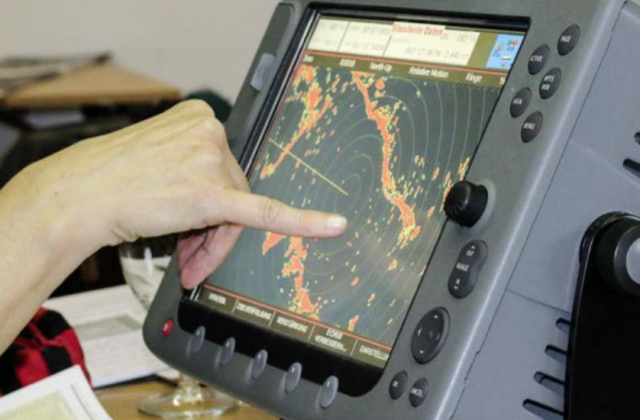
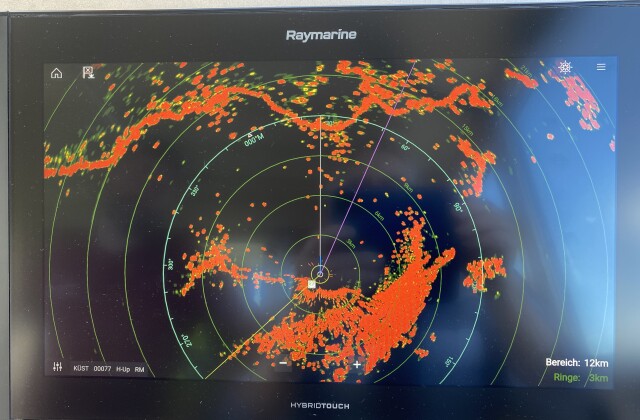
This one-day course is very practical-orientated - we use proper Multi-Function Display Units, the Raymarine 12" Axioms and Raymarine E120´s. All participants have the opportunity to go through all the important functions themselves.
- For those wanting to know how Radar can contribute towards safety and collision-avoidance
- For boat-owners thinking of buying a Radar, but needing support in their decision-making.
- For yachtsmen who already have Radar on board, but are not familiar with all the functions.
- A course in your vicinity, on a date that suits you
- A course in your sailing club
- A one-to-one Radar training session on your own boat.
-
The course is ideal:
-
Our Instructor, Peter G. Boot, has combined his many years as Radio Officer at sea in the South African, Canadian and British merchant navy, together with 25 years in the radar industry, to present a realistic and easily understood radar course.
-
If any of the course dates or venues are unsuitable for you, then please contact us.
We can also offer you the following:
Our Radar courses are supported by:
A video-projector is used to present the following subjects during the theoretical parts of the course:
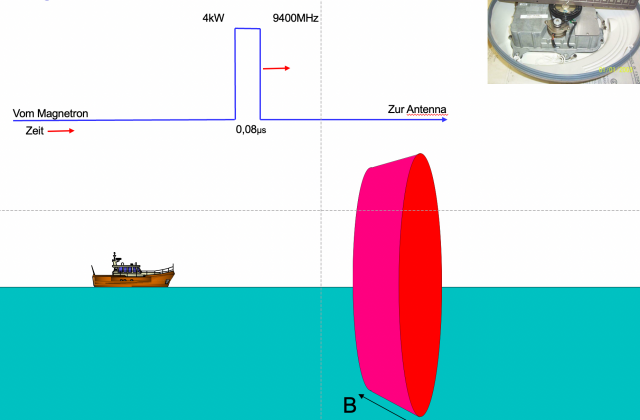
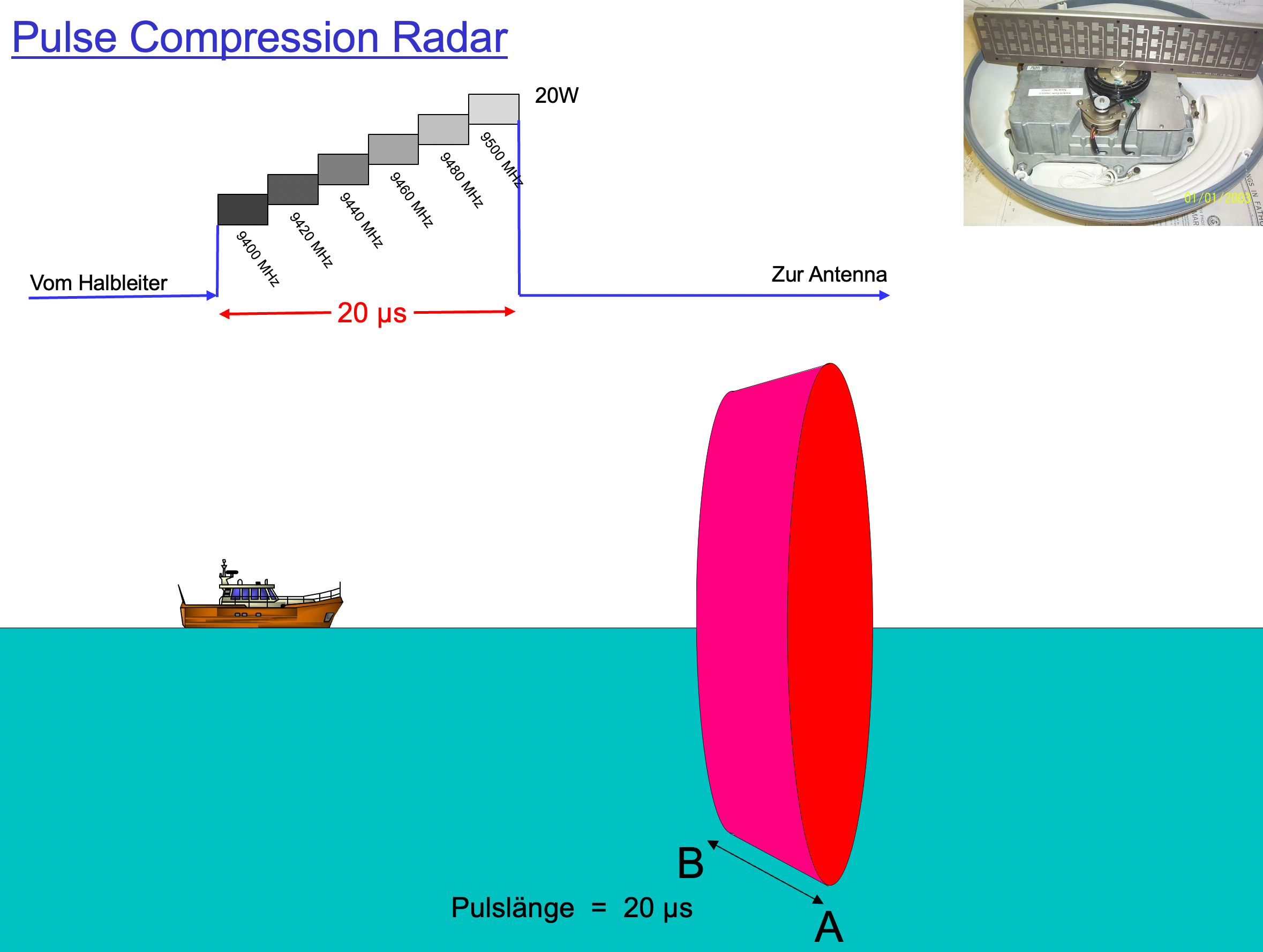
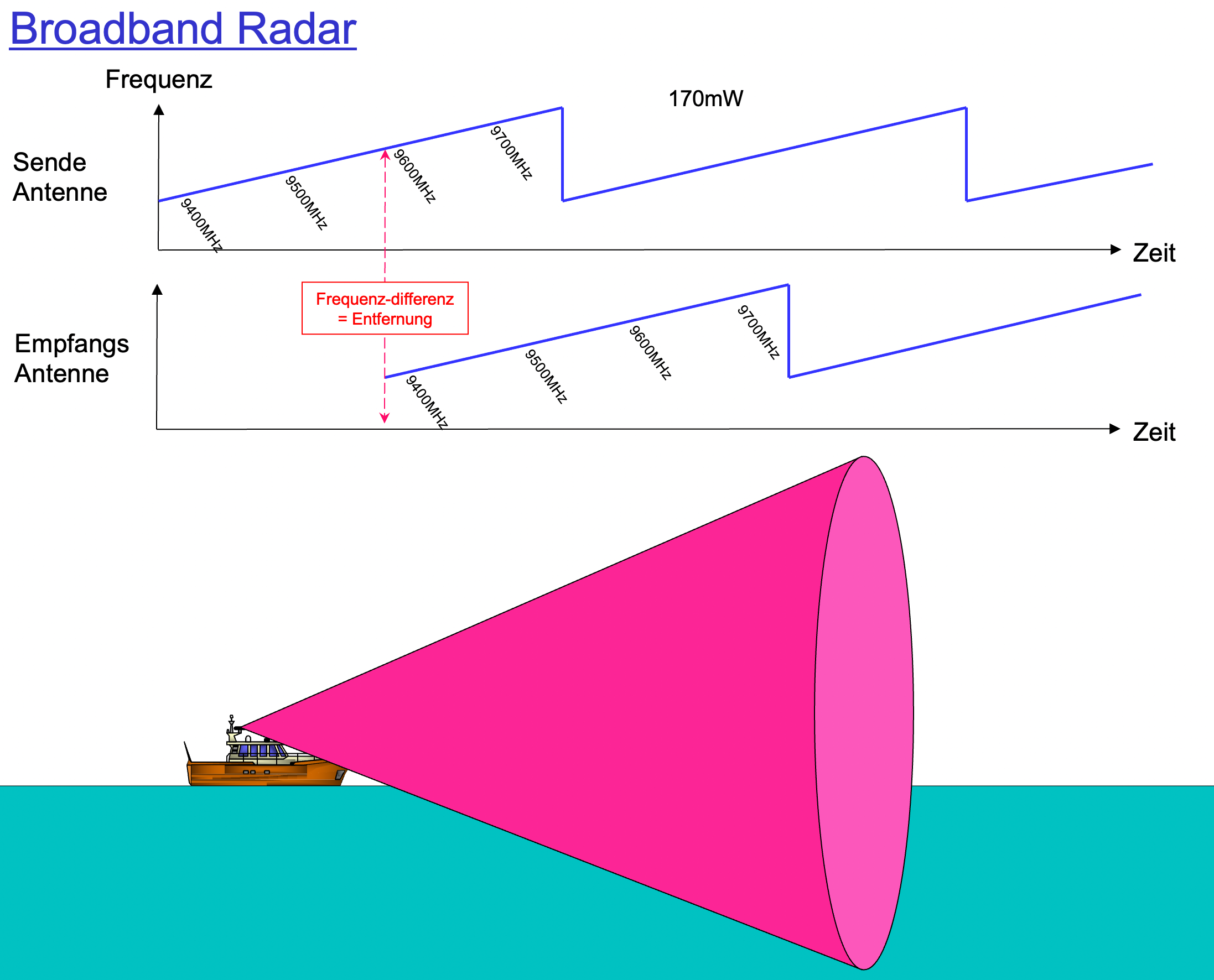
- Magnetron; Pulse-Compression; Broadband
- Principles of function; typical terms; Wave propagation
- Horizontal beamwidth, Pulse-length, etc.
- Target-characteristics; reflectors; RACONs; RTE (Radar Target Enhancer).
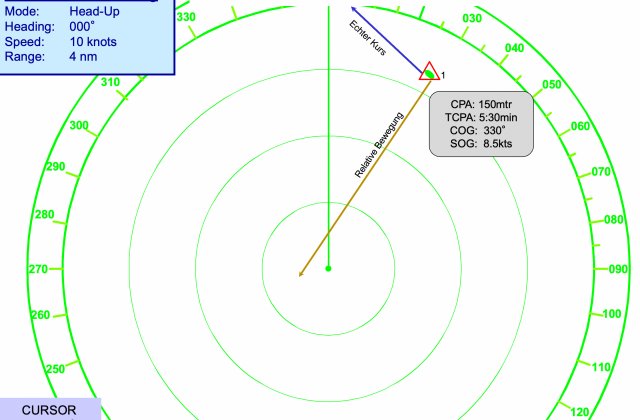
- Head-up; North-up; Course-up; Off-centre; True motion.
- Plotting your position using only Radar and paper charts (e.g. when GPS is unreliable)
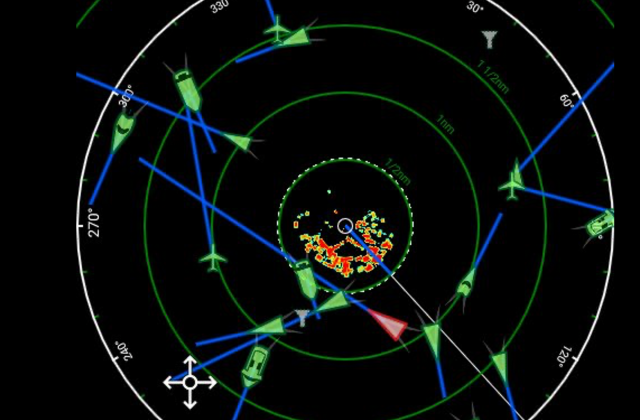
- Course and speed of a target; CPA, TCPA, ; MARPA; Guard Zones
- For example: Rules in dense fog; Lookout; Safe speed; Risk of Collision, etc.
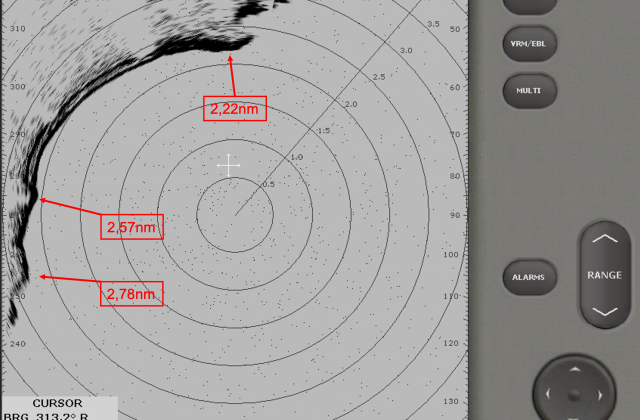
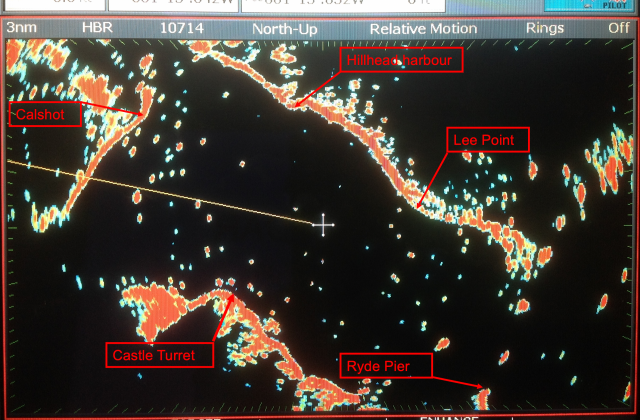
During the practical part of the course, numerous Raymarine Axiom and E120 display units (see pictures below) will be available, where participants can practice the following:
And finally - would you know the answers to the following:
All these subjects – and many more, are dealt with during the course.